
How to brief an interior design project before concept design starts
The information an interior design team needs before concept design: project condition, users, priorities, constraints, budget, programme, references and decision structure.
In brief
- A useful brief describes the project condition and decisions to be made, not only the desired style.
- Existing drawings, dimensions, photographs, programme, users, priorities, budget and fixed constraints reduce assumptions before design begins.
- References are most useful when the client explains what they value in them: proportion, atmosphere, material, layout or level of detail.
A good interior design brief does not need to be long, beautifully formatted or written in architectural language. It needs to make the project condition legible enough that design options can respond to real priorities instead of generic assumptions.
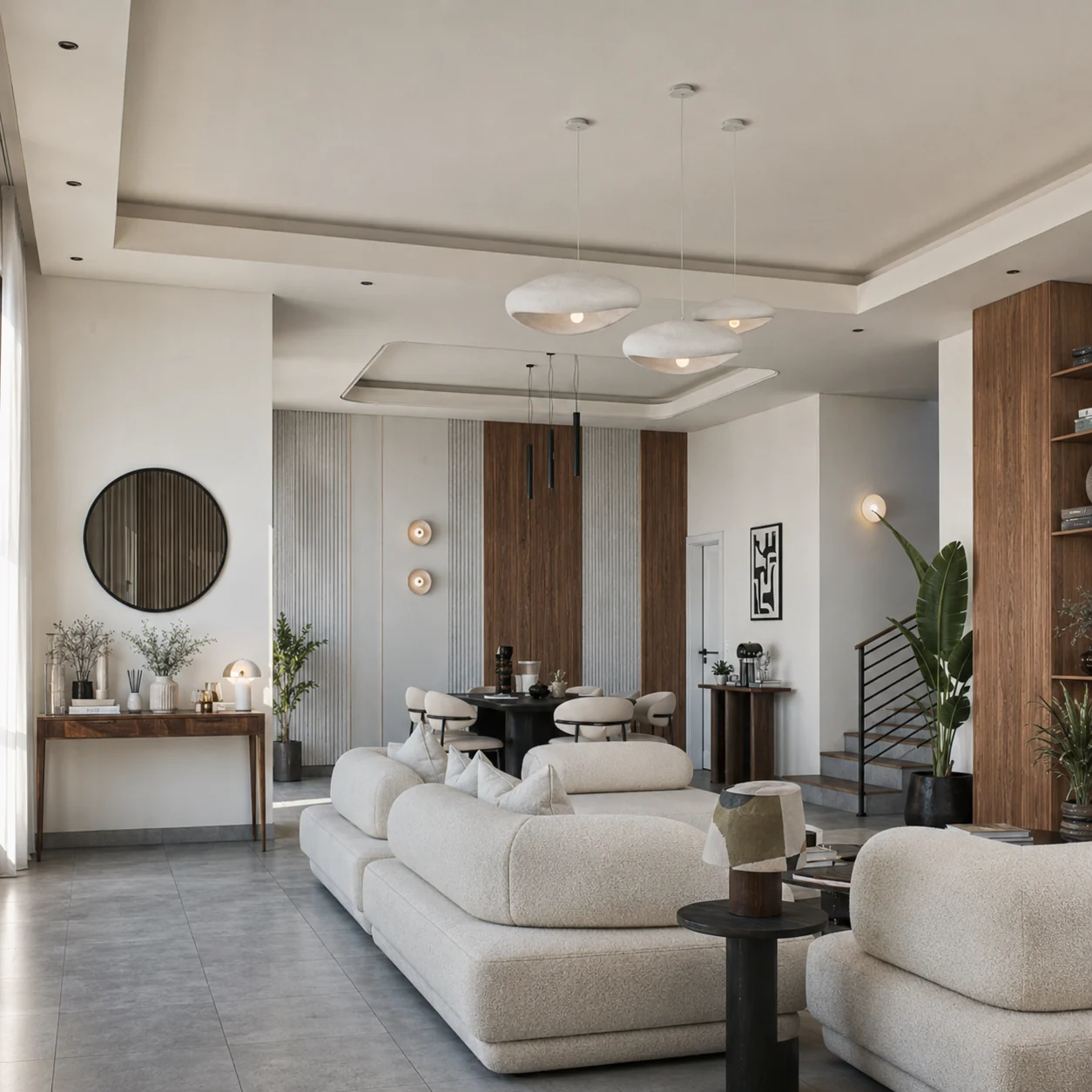
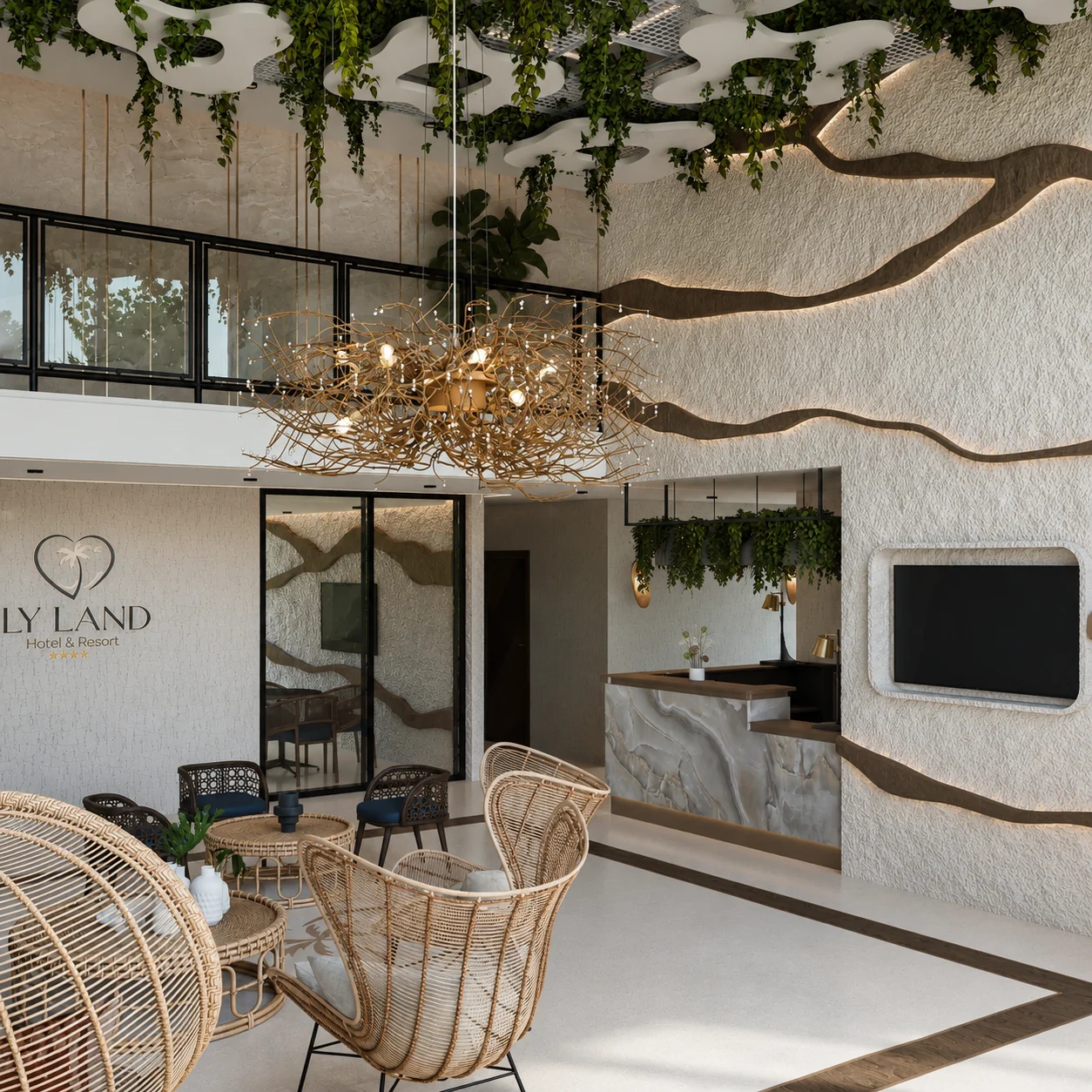
This matters across very different project types. SIFI Office Headquarters required a dense workplace programme and operational relationships. BCR Private Villa began from an existing architectural proposal and a controlled budget. ILY Hotel Lobby starts from hospitality functions such as arrival, reception, waiting and lounge use. The useful brief for each project therefore emphasises different information.
1. State what exists now
Provide the current drawings, survey information, photographs, video, existing finishes and any known site constraints. If information is provisional, say so. A visible unknown is easier to manage than an assumption that later becomes false.
2. Describe who will use the space and how
For a residence, that may mean household routines, storage needs, entertaining and privacy. For an office, team structure, headcount, meeting patterns and focused work matter. For hospitality, guest flow, service and duration of stay become central.
3. Separate priorities from preferences
“Warm and contemporary” is a preference. “The living room must seat eight without blocking circulation” is a priority. Both are useful, but they play different roles when trade-offs appear.
4. Identify fixed constraints early
Budget, structure, landlord requirements, existing MEP, retained furniture, local approvals, procurement limitations and schedule can all change which options are realistic. Constraints do not reduce creativity; they help direct it toward solutions that can survive the project.
5. Use references with commentary
Reference images are helpful when the client explains what is relevant about them. Is it the calm palette, the proportion of the joinery, the lighting, the furniture density, the exterior material or simply the overall mood? Without that explanation, a reference can be interpreted too literally.
6. Define the expected scope and current stage
Concept design, full interior design, FF&E, visualisation and coordinated documentation are different levels of support. The brief should make clear what has already been decided and what still needs design input.
7. Clarify how decisions will be made
A project moves faster when the design team knows who consolidates feedback, who approves direction and when local consultants or contractors need to review interfaces.
The best brief does not attempt to design the project before the designer begins. It gives enough context for meaningful alternatives to be compared and for the next decision to be explicit.